Breaker tripped, a smell of burning, sparks out of a socket? Here is what is actually happening and which actions only make it worse.

The order of actions while I am on my way. The first point matters most.
Every attempt drives the fault current through the damaged spot. The insulation melts further and the repair gets more expensive.
Pull the plugs on that circuit. If the breaker holds afterwards, the appliance is at fault, not the wiring.
Look over the sockets and switches. A dark ring or the smell of burnt plastic marks the damaged spot.
Part of the circuit stays live. Without a tester there is no way to tell what is actually dead.
Line and neutral meet where they never should. This is how it usually happens.
The most common case by far: a drill bit or a screw hits a buried cable. The short happens instantly.
A leak from the flat above, or condensation in an outdoor panel. Water bridges the conductors where insulation should keep them apart.
After forty years insulation goes hard and cracks. Moving a wire in a junction box is enough for the conductors to touch.
A twisted joint instead of a terminal heats up, melts the wires next to it and finally shorts them together.
First hour (minimum call-out): €50
Each additional hour: €30/hour
The first hour includes: travel within Tallinn, diagnostics and 60 minutes of work. Small repairs, socket and breaker replacements are done within this time.
First hour (minimum call-out): €100
Each additional hour: €60/hour
The first hour includes: travel within Tallinn, diagnostics and 60 minutes of work.

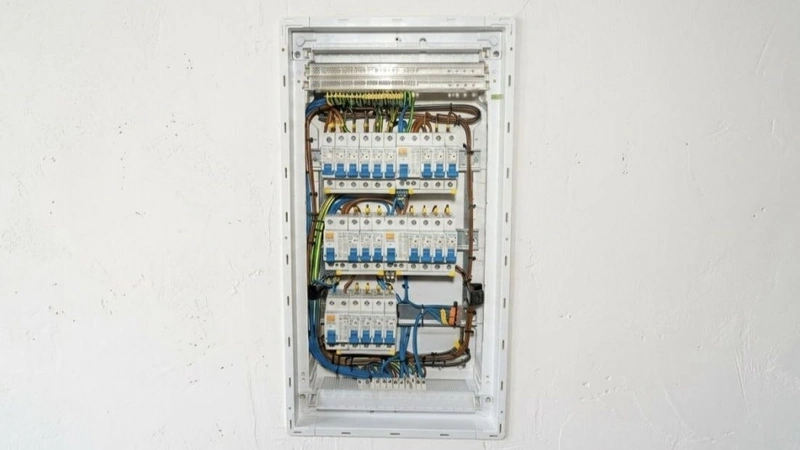
Apartment, Tallinn

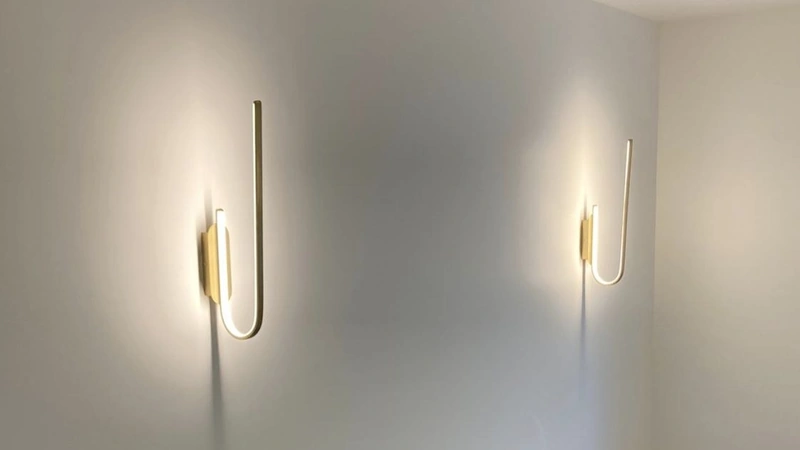
Wall lights, private house

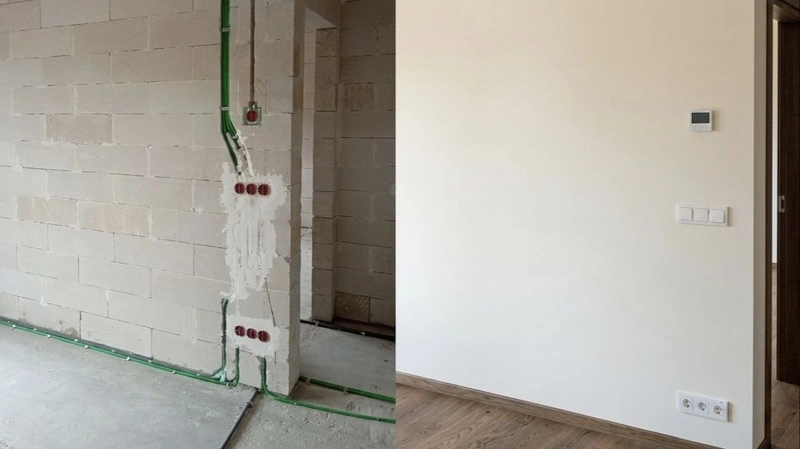
Before and after: cable in the wall and finished surface

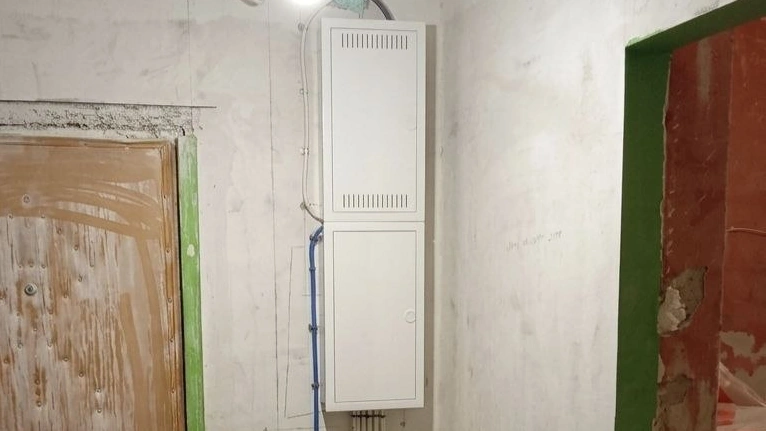
New power and low-voltage panels

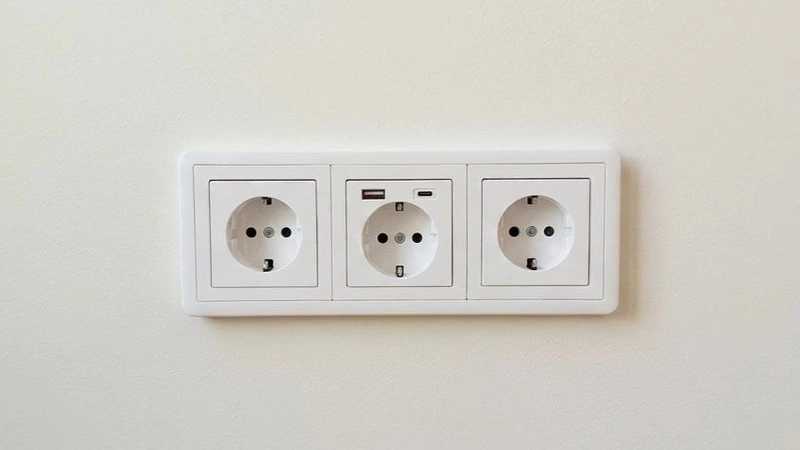
Sockets with USB ports, apartment

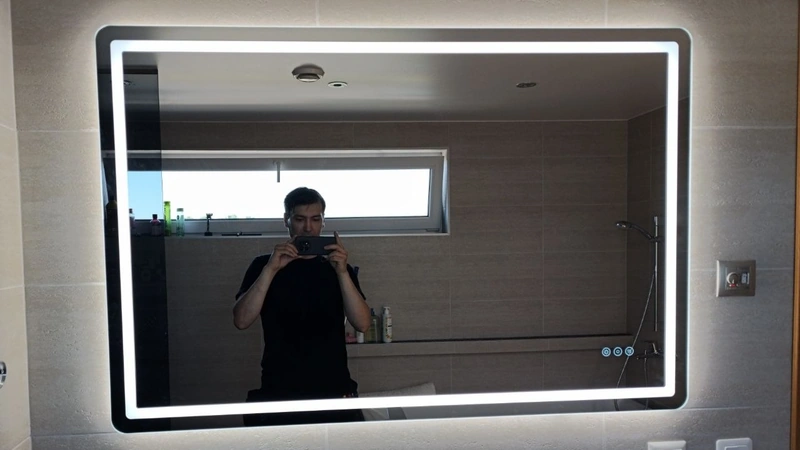
Bathroom, wiring and installation
Call or message — I’ll reply, estimate the approximate cost and guide you on the earliest available time.